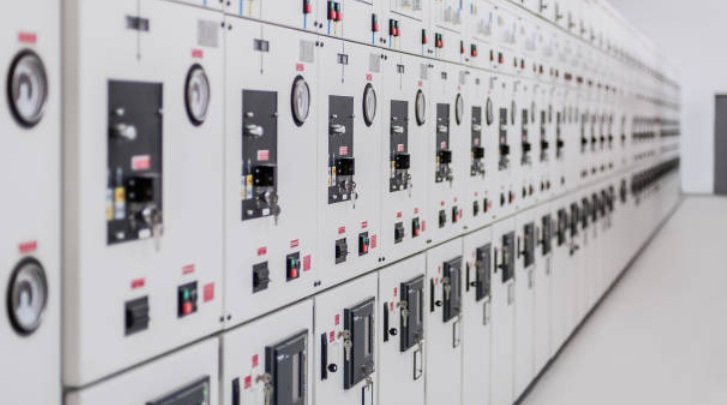

Commercial buildings today depend on uninterrupted, well-controlled, and safe electrical distribution systems. From shopping malls and office towers to hospitals and data centers, every facility requires a dependable way to manage electricity flow efficiently. One of the most important components enabling this is enclosed switchgear, which provides a safe, compact, and reliable solution for commercial power management systems.
Unlike open or loosely protected electrical assemblies, enclosed switchgear is designed to house all electrical components within a secure cabinet. This improves safety, enhances system reliability, and ensures efficient power distribution in demanding commercial environments.
This article explains how enclosed switchgear works, why it is essential for commercial systems, and how it improves overall electrical performance.
Understanding Enclosed Switchgear in Commercial Systems
Enclosed switchgear refers to a complete electrical assembly where switching, protection, and control devices are housed inside a metal enclosure. It is used to control, isolate, and protect electrical circuits in medium and low voltage applications.
What Makes It “Enclosed”?
The term “enclosed” means that all live electrical parts are:
- Fully contained within a protective metal cabinet
- Shielded from dust, moisture, and accidental contact
- Accessible only through controlled doors or panels
This design significantly enhances safety and durability.
Core Functions of Enclosed Switchgear
In commercial power systems, enclosed switchgear performs several key roles:
- Distributing electrical power across different building zones
- Protecting circuits from overloads and short circuits
- Providing isolation for maintenance and repair
- Monitoring electrical load and system performance
Importance of Reliable Power Management in Commercial Buildings
Commercial facilities rely heavily on continuous electricity for daily operations.
Common Power Demands in Commercial Spaces
These include:
- Lighting systems across multiple floors
- HVAC (heating, ventilation, air conditioning) units
- Elevators and escalators
- Office equipment and IT infrastructure
- Security and surveillance systems
Risks of Poor Power Management
Without reliable switchgear, commercial buildings may face:
- Frequent power outages
- Equipment damage due to voltage fluctuations
- Fire hazards from overloaded circuits
- Operational downtime and financial losses
How Enclosed Switchgear Improves Electrical Reliability
Enclosed switchgear is specifically designed to ensure stable and dependable power distribution.
Enhanced Protection from External Factors
Because all components are enclosed, the system is protected from:
- Dust and dirt accumulation
- Moisture and humidity
- Physical contact and accidental damage
- Corrosive environmental conditions
This protection improves long-term reliability.
Improved Fault Handling and Isolation
One of the biggest advantages is quick fault response.
When an electrical fault occurs:
- The system isolates the affected circuit
- Only a specific section is shut down
- The rest of the building continues operating
This selective isolation reduces downtime and improves operational continuity.
Key Components Inside Enclosed Switchgear
A typical enclosed switchgear system includes several essential components working together.
Circuit Breakers
These devices:
- Automatically interrupt power during faults
- Protect wiring and equipment
- Prevent overload conditions
Busbars
Busbars are conductive elements that:
- Distribute electricity efficiently within the system
- Reduce wiring complexity
- Improve energy flow stability
Isolators and Disconnect Switches
They allow:
- Safe maintenance operations
- Manual disconnection of circuits
- System segmentation for repairs
Protection Relays
Relays monitor electrical conditions and:
- Detect abnormal voltage or current
- Trigger protective actions
- Enhance system safety
Safety Benefits of Enclosed Switchgear
Safety is a major reason why enclosed switchgear is widely used in commercial buildings.
Protection for Maintenance Personnel
Because all live components are enclosed:
- Risk of accidental electric shock is minimized
- Maintenance work can be performed safely
- Unauthorized access is prevented
Fire and Arc Fault Prevention
Enclosed designs help reduce:
- Arc flash exposure
- Fire risks from electrical faults
- Damage caused by short circuits
This makes them ideal for high-traffic commercial environments.
Energy Efficiency and Load Management
Modern enclosed switchgear systems also contribute to better energy usage.
Balanced Load Distribution
They help ensure:
- Even distribution of power across circuits
- Prevention of overload on specific lines
- Improved system efficiency
Energy Monitoring Capabilities
Advanced systems allow:
- Real-time power consumption tracking
- Identification of high-energy-use areas
- Optimization of electrical usage patterns
This helps commercial buildings reduce energy costs.
Applications in Commercial Buildings
Enclosed switchgear is used in a wide range of commercial environments due to its versatility and reliability.
Office Buildings
They manage:
- Lighting and HVAC systems
- Workstation power supply
- Elevator operations
Shopping Malls
They support:
- Large-scale lighting systems
- Escalators and lifts
- Retail store power distribution
Hospitals
They ensure:
- Continuous power for critical equipment
- Backup system integration
- Stable operation of medical devices
Data Centers
They provide:
- High reliability for servers
- Load balancing across circuits
- Protection from power disruptions
Advantages of Reliable Enclosed Switchgear Systems
Commercial facilities benefit significantly from modern enclosed switchgear technology.
Compact and Space-Saving Design
Enclosed systems are:
- Neatly organized within cabinets
- Suitable for limited space installations
- Easy to integrate into building infrastructure
Reduced Maintenance Requirements
Because components are protected:
- Less exposure to environmental damage
- Fewer breakdowns occur
- Maintenance intervals are longer
Scalability for Growing Demand
Switchgear systems can be:
- Expanded as building load increases
- Upgraded with new components
- Customized for different commercial needs
Installation Considerations for Commercial Use
Proper installation is essential for optimal performance.
Location Selection
Switchgear should be installed in:
- Dry, ventilated electrical rooms
- Easily accessible areas for maintenance
- Protected environments away from public access
Load Assessment
Before installation:
- Total building load must be calculated
- Circuit distribution must be planned
- Safety margins should be included
Compliance with Standards
Installations must follow:
- Electrical safety regulations
- Industry design standards
- Fire and building codes
Maintenance Practices for Long-Term Reliability
Regular maintenance ensures consistent performance and safety.
Routine Inspections
Technicians check:
- Loose connections
- Wear on components
- Temperature levels
Cleaning and Thermal Management
Maintenance includes:
- Dust removal from enclosures
- Ensuring proper ventilation
- Monitoring heat buildup
Preventive Testing
This involves:
- Testing circuit breakers
- Checking relay performance
- Verifying protection systems
Future Trends in Enclosed Switchgear Technology
Switchgear systems are evolving with modern electrical demands.
Smart Monitoring Systems
Future systems will include:
- Remote monitoring capabilities
- Real-time fault detection
- Predictive maintenance tools
Automation and Digital Integration
Advanced systems will support:
- Automated load control
- AI-based energy optimization
- Integration with building management systems
Energy Efficiency Improvements
Ongoing innovations focus on:
- Reducing energy losses
- Improving conductor efficiency
- Enhancing thermal performance
Final Thoughts
Reliable enclosed switchgear plays a vital role in modern commercial power management systems by ensuring safe, stable, and efficient electricity distribution. Its enclosed design provides superior protection, while its internal components work together to manage load distribution, prevent faults, and improve energy efficiency.
From office buildings to hospitals and data centers, enclosed switchgear ensures uninterrupted power supply and reduces operational risks. As commercial infrastructure continues to grow in complexity, the importance of reliable and intelligent switchgear systems will only increase.
In essence, enclosed switchgear is not just a distribution system—it is the backbone of safe, efficient, and reliable commercial electrical infrastructure.